Scan Both Sides of Old Photos for Family History
Old Photographs, Photo Scanning, Preserving Memories, Family History
Should You Scan the Back of Old Photographs?
When you digitize your old photographs, it’s natural to focus on the front—the faces, places, and moments you never want to forget. But the quiet hero of many family photo collections is actually the back of the print. Notes, dates, and names scribbled in pencil can be just as valuable as the image itself. So, should you scan the back of old photographs as well as the front? In most cases, the answer is a clear yes.
Why the Back of Old Photographs Matters
Old photographs often carry more than a visual memory. The back may include the name of a relative, a wedding date, a location, or even a short story about what was happening when the picture was taken. These details turn a nice picture into a piece of family history you can actually understand and share with future generations.
Without that information, future family members might look at a beautiful portrait and wonder, “Who is this?” or “Where was this taken?” By including the back in your photo scanning project, you’re not just preserving images—you’re preserving memories with context, meaning, and identity.
Should You Always Scan the Back? Key Questions to Ask
Is there any writing, stamp, or marking? If you see names, dates, studio stamps, or even partial notes, it’s worth scanning the back. These clues can be invaluable for building your family tree or verifying timelines in your family history research.
Is the photo tied to an important event? Wedding photos, military portraits, graduations, and travel snapshots often have important details on the reverse. Scanning both sides keeps the event and its story together.
Is this a “mystery” photo? Even faint or hard-to-read writing might help identify unknown relatives later. A clear digital scan can sometimes reveal more than the naked eye, especially when you zoom in.
💡 Pro Tip: When in doubt, scan the back. It’s faster and easier to capture extra information now than to recreate it later.
How Scanning Backs Helps Preserve Family History
For families in San Diego County and beyond, preserving memories is often about more than nostalgia. It’s about building a reliable record of your family history. When USA IMAGING, Inc. works with clients on photo scanning projects, we often see how powerful those small handwritten notes can be. They connect generations, confirm stories, and sometimes correct long-held assumptions about dates or relationships.
Digitally capturing both sides of your old photographs also makes it easier to organize and search your collection later. You can:
Match front and back files so the story always travels with the image.
Add file names or tags using the information written on the back (for example, “1948_San_Diego_Beach_Day_Grandparents”).
Share complete stories with relatives, not just anonymous faces.
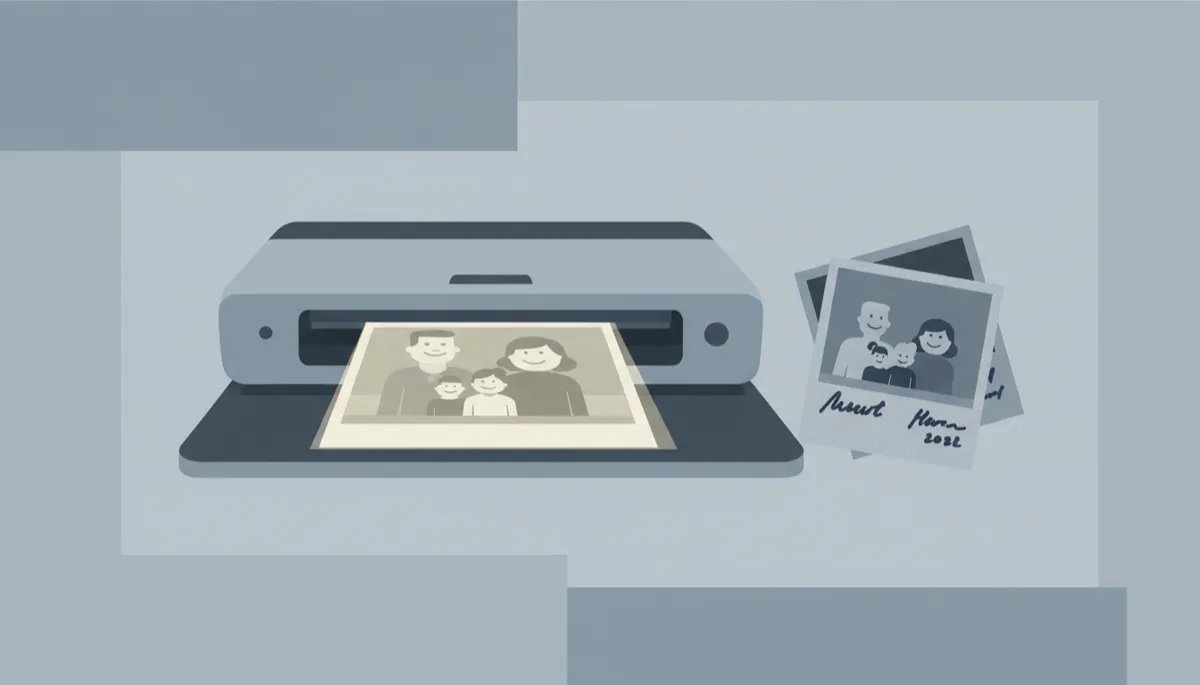
Scanning fronts and backs together keeps visual memories and written stories securely connected.
Practical Considerations When Scanning Old Photographs
Old photographs can be fragile. Ink may be fading, paper may be brittle, and some prints may be mounted in albums you don’t want to disturb. A careful, professional photo scanning process reduces the risk of damage while capturing every detail on both sides. At USA IMAGING, Inc., our team is trained to handle delicate materials with the same care we apply to sensitive business documents and medical records, always respecting confidentiality and security.
When you plan your project, think about:
Resolution: Higher resolution scanning makes it easier to read faint handwriting on the back of prints, especially pencil notes from decades ago.
File organization: Decide how you want front and back images labeled—such as adding “_front” and “_back” to each file name—to keep them paired and easy to navigate.
Security and privacy: Some notes may contain sensitive information. A secure, HIPAA-compliant provider like USA IMAGING, Inc. ensures your family’s documents and photos are handled with discretion and care.
📌 Key Takeaway: Quality scanning, thoughtful file naming, and secure handling turn a box of old photographs into an organized, lasting digital family archive.
Bringing Your Family Story Into the Digital Age
Ultimately, the question “Should you scan the back of old photographs?” comes down to how much you value the stories behind your images. If your goal is truly preserving memories—not just the look of a moment, but the who, where, and why—then scanning both sides is one of the smartest choices you can make. It transforms loose prints into a complete, searchable, shareable record of your family history.
For families and individuals across San Diego County, USA IMAGING, Inc. offers the same careful, detail-oriented approach to photo scanning that we bring to our document conversion services. From organizing your collection to capturing both front and back of each print, our team focuses on accuracy, reliability, and respectful handling of your most personal materials.
If you’re ready to protect your old photographs from fading, loss, or damage—and you want to keep the handwritten stories that go with them—consider partnering with a trusted local expert. USA IMAGING, Inc. has been serving San Diego since 1991, helping businesses and families move confidently from paper to digital while keeping what matters most safe and accessible.
Preserve the faces, the moments, and the words that define your family story. Get a Quote from USA IMAGING, Inc. today and take the next step toward a secure, well-organized digital photo archive that will serve your family for generations to come.


